
Blog
China Top Transformer Oil Filtration Services Provider
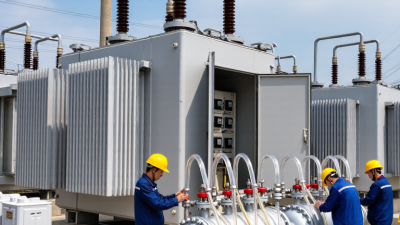
China’s expanding power infrastructure demands dependable transformer maintenance, not merely fast equipment delivery. Transformer Oil Filtration Services help utilities, factories, renewable-energy sites, and substations protect insulation performance under demanding operating conditions. Moisture, dissolved gases, particles, and oxidation products can quietly weaken transformer oil. The damage may begin inside a clear-looking sample.
Martin Heathcote, author of The J&P Transformer Book, wrote, “The transformer is the most reliable item of electrical plant, but it is not immune from failure.” This warning remains practical. A qualified Chinese service provider should combine field experience, laboratory testing, vacuum dehydration, fine-particle removal, and documented quality control. Technicians should inspect oil temperature, dielectric strength, moisture levels, acidity, and interfacial tension before recommending treatment. Every transformer has a history. Filtration should respect it.
Reliable Transformer Oil Filtration Services are therefore measured by evidence, not impressive promises. Experienced teams use calibrated equipment, clean hoses, controlled flow rates, and properly sealed storage tanks. They also record before-and-after test results. Small details matter. One contaminated connection can compromise an otherwise careful operation. Provider selection should include safety procedures, technician training, response time, equipment capacity, and transparent reporting. These points sound ordinary. They are often overlooked.
China offers capable service companies, but quality is not uniform. Buyers should verify references, testing methods, maintenance records, and relevant certifications before signing a contract. A filtration campaign may reduce risk, yet it cannot repair every aging component. That limitation deserves honest discussion. The best provider explains what filtration can improve, what it cannot correct, and when deeper transformer diagnostics are necessary.
Read more »
 By:Liam
- October 16, 2026
What Is an RTCC Control Cubicle and How Does It Work?
As electricity networks expand, transformer voltage control has become a practical reliability concern. The International Energy Agency’s Electricity Grids and Secure Energy Transitions report (2023) states that annual grid investment must rise to more than USD 600 billion by 2030. That pressure makes dependable transformer control increasingly important.
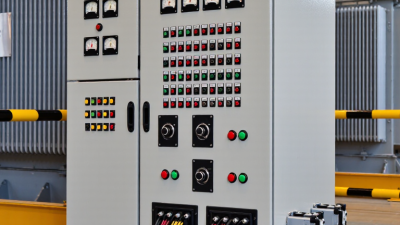
RTCC Control Cubicles provide the operating interface for an on-load tap changer. They usually contain an automatic voltage regulator, tap-position indicators, control switches, protection devices, and terminal connections. The cubicle measures transformer voltage through instrument transformers. It compares the measured value with a preset reference. If voltage moves outside the selected band, the regulator sends a raise or lower command. The tap changer then adjusts the transformer ratio, often through motor-driven mechanisms.
The process sounds simple.
It is not always simple in service.
Cable length, control power quality, incorrect settings, and mechanical wear can affect performance. Engineers typically verify alarm circuits, manual operation, interlocking, and remote signals during commissioning. IEC 60076-8 provides guidance on transformer application and voltage regulation, while IEEE C57.131 addresses on-load tap-changer application considerations. These references support disciplined design, but site conditions still matter.
A well-designed RTCC cubicle gives operators clear information at the control panel. They can see the active tap position, automatic or manual mode, and abnormal conditions. However, a cubicle should not be treated as a complete solution by itself. Protection coordination, communication reliability, maintenance access, and transformer condition must also be reviewed. Small omissions can create costly misunderstandings. This article explains the main components, control sequence, safety considerations, and practical operating limitations of an RTCC control cubicle.
Read more »
By:Liam
- October 11, 2026

Top 10 Buchholz Relay Transformer Accessories Suppliers?
Choosing dependable suppliers for Buchholz Relay Transformer Accessories requires more than comparing product prices. These components support transformer protection, inspection, installation, and routine maintenance. A poorly matched test valve, oil cup, mounting flange, or cable connection can create unnecessary service problems. Details matter.
This guide examines ten suppliers associated with Buchholz Relay Transformer Accessories and evaluates their practical value for transformer manufacturers, utilities, contractors, and maintenance teams. The comparison considers manufacturing experience, material quality, dimensional accuracy, testing procedures, technical documentation, customization, delivery capability, and after-sales support. Suppliers with clear specifications and traceable quality processes deserve closer attention. So do those that understand transformer operating conditions, including vibration, oil pressure, temperature changes, and outdoor exposure.
However, no supplier is automatically the best choice for every project. That assumption fails. A company suitable for a large power transformer may not serve a compact distribution unit efficiently. Buyers should confirm flange dimensions, connection standards, pressure ratings, enclosure protection, sealing materials, and compatibility with the selected Buchholz relay. Independent inspection can also reduce avoidable risks, especially when accessories will operate in remote substations. The rankings should therefore act as a practical starting point, not a final purchasing decision. Some supplier information may change over time, and that limitation deserves honest attention. Request current datasheets, test records, sample approvals, warranty terms, and delivery commitments before signing a contract. Reliable decisions come from evidence, direct communication, and careful technical review.
Read more »
 By:Oliver
- October 6, 2026

What Are Renewable Energy Grid Transformers?
Renewable Energy Grid Transformers are essential links between clean power plants and the electricity network. They raise or lower voltage safely. They also help move power across long distances with fewer losses. Without them, wind and solar projects may generate electricity but struggle to deliver it reliably.
John D. McDonald, a respected IEEE power-system expert, has said, “The electric power industry is undergoing the greatest transformation since its inception.” His observation explains why transformer design now matters more than ever. Renewable projects produce changing outputs. Cloud cover can reduce solar generation within minutes. Wind speed can rise sharply, creating new operating demands. Modern transformers must handle these variations while supporting protection, monitoring, and stable voltage control.
In practical installations, engineers examine insulation strength, thermal performance, fault resistance, and maintenance access. A transformer may stand beside a solar field under intense heat, dust, and repeated daily loading. Offshore wind projects add salt, moisture, and difficult repair conditions. Digital sensors can track oil temperature, winding stress, and emerging faults. Small warnings matter.
Still, no transformer is perfect. Forecasting remains uncertain. Supply chains can also delay replacement units. A technically strong project may fail if maintenance planning is weak. This is where field experience becomes valuable. Careful specifications, factory testing, condition monitoring, and realistic emergency plans improve reliability. The discussion around Renewable Energy Grid Transformers is therefore not only about equipment. It concerns long-term grid resilience, responsible investment, and the difficult balance between rapid clean-energy growth and dependable electricity service.
Read more »
 By:Emily
- October 1, 2026
What Is a Flame Retardant Dry Type Transformer?
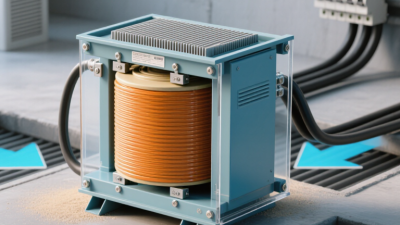
A flame retardant dry type transformer transfers electrical power without using liquid insulation. Its windings are insulated with solid materials, often resin or treated insulation systems, and cooled by air. The design can reduce the amount of combustible material near the transformer. It does not make the equipment fireproof. That distinction matters.
Flame Retardant Dry Type Transformers are often considered for buildings, factories, and other indoor spaces where limiting fire spread is important. Picture a compact unit in a plant room: ventilation grilles need clear airflow, cable connections require inspection, and dust can collect around the enclosure. These practical details affect safe operation as much as the transformer’s material choices. Flame-retardant performance depends on the complete design, including insulation, enclosure, installation, and verified product ratings. A label alone is not enough.
This guide explains how these transformers work, what flame retardancy means, and where dry-type construction may be useful. It also covers selection factors such as voltage, load, cooling, noise, and maintenance access. Requirements vary by application and location, so buyers should review manufacturer documentation and consult qualified electrical professionals. One point deserves careful thought: choosing a flame-retardant model cannot replace good installation or routine inspection. The name sounds reassuring, but the details still matter.
Read more »
By:Emily
- September 26, 2026
10 Tips for Buying BIS Certified Distribution Transformers?
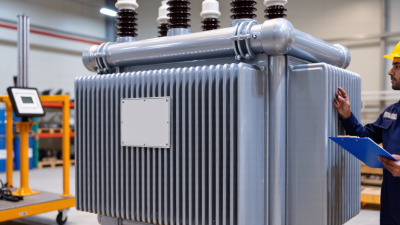
Buying BIS Certified Distribution Transformers is not merely a paperwork exercise. It is a decision about safety, operating stability, and long-term maintenance costs. A transformer may carry a certification mark, yet its actual performance still deserves careful examination. Buyers should review the applicable Indian Standard, certification scope, manufacturing location, and approved product rating. Check the details.
R. K. Sharma, an independent transformer quality consultant with field experience in utility projects, advises, “A certificate opens the inspection; test evidence closes it.” His observation is practical. Request routine test reports for winding resistance, voltage ratio, insulation strength, losses, and temperature rise. Compare the reported values with the purchase specification. Examine the nameplate closely. It should match the quotation, drawings, and test documents without unexplained differences.
The ten tips in this guide focus on decisions that are easy to overlook. They include evaluating core material, checking oil leakage protection, confirming impulse withstand requirements, and assessing supplier service support. Ask how the manufacturer handles failed tests, spare parts, and warranty claims. Visit the factory when project value justifies the cost. A clean assembly area, calibrated instruments, sealed oil drums, and traceable inspection records reveal more than polished brochures.
Some judgments remain imperfect. Price comparisons can hide differences in losses, accessories, or delivery conditions. Certification alone cannot predict every field failure. That is why buyers should combine BIS verification, witnessed testing, technical review, and supplier references. Careful purchasing may take longer, but a transformer installed beside a hospital, factory, or residential feeder cannot be treated as a simple catalogue item. Reliability starts before energization.
Read more »
By:Emily
- September 21, 2026
2026 Best High Voltage Power Transformers for Global Buyers
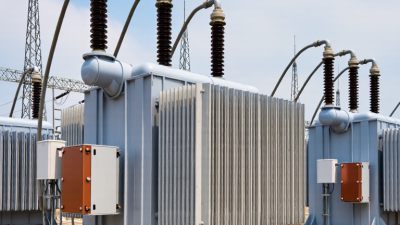
Global electricity systems are entering a demanding investment cycle. The International Energy Agency’s Electricity 2024 report projects global electricity demand will grow by about 4% annually through 2026. Data centres, renewable generation, electric transport, and industrial expansion are intensifying grid pressure. High Voltage Power Transformers are becoming critical assets, not simple procurement items.
The IEA’s World Energy Investment 2024 report estimates annual grid investment at roughly USD 400 billion. It also indicates that spending must increase significantly this decade. Transformers must therefore support higher capacity, reliable voltage regulation, efficient cooling, and long service life. Buyers should examine tested performance, insulation systems, loss levels, noise, monitoring technology, and factory quality controls. IEC 60076 remains an essential technical reference for power transformer design and testing.
This guide evaluates leading 2026 options for global buyers. It considers practical factors, including rated power, voltage class, tap-changer design, delivery capability, maintenance support, and documented compliance. Regional conditions matter. A transformer operating beside a humid coastline faces different risks from one installed in a dry desert substation.
No shortlist is perfect. Manufacturer claims still require verification through type-test reports, routine-test records, reference projects, and independent inspection. A lower purchase price may hide transport complexity, delayed spare parts, or expensive losses over decades. The best choice is rarely the most impressive brochure. It is the equipment that matches the network, site conditions, budget, and risk tolerance with defensible evidence.
Read more »
By:Liam
- September 16, 2026

How to Choose Solar Inverter Duty Transformers for Your Needs?
Choosing the right Solar Inverter Duty Transformers is crucial for maximizing solar energy efficiency. According to the International Renewable Energy Agency (IRENA), global solar capacity is projected to reach over 3,000 GW by 2030. This growth underscores the importance of reliable electrical components in solar systems.
Solar Inverter Duty Transformers play a pivotal role in ensuring the stability and optimization of power conversion. They regulate voltage levels and protect sensitive equipment from surges. A 2021 market report indicates that the transformer segment is expected to grow significantly as more industries adopt solar technology.
However, selecting the right transformer can be complex. Factors like load requirements and environmental factors must be considered. It’s essential to weigh these aspects carefully. Misjudging the specifications could lead to efficiency losses. Hence, understanding the fundamental operations and requirements of Solar Inverter Duty Transformers will greatly enhance the effectiveness of solar installations.
Read more »
By:Emily
- August 24, 2026
Best Dry Type Power Transformers for Global Buyers?
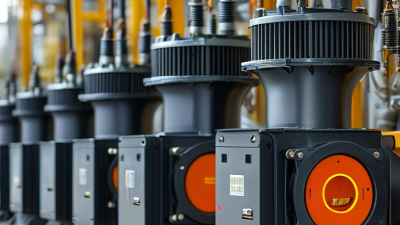
The demand for Dry Type Power Transformers continues to grow globally due to their reliability and safety. Recent market analysis shows that the dry type transformer segment is expected to reach a value of $9.4 billion by 2027. This growth is largely driven by increased investments in renewable energy and industrial applications.
Industry expert Dr. Maria Chen emphasized the significance of these transformers when she stated, “Dry Type Power Transformers are essential for enhancing energy efficiency and safety in urban infrastructure.” These transformers are favored in sensitive environments, reducing fire risks associated with oil-filled types. However, challenges remain, such as their higher initial cost and the need for regular maintenance checks.
Despite these concerns, many buyers are shifting towards dry-type solutions for their operational advantages. The push for sustainable energy sources urges manufacturers to innovate continuously. The evolving landscape of the transformer market highlights both the opportunities and potential pitfalls on the journey to adopting Dry Type Power Transformers effectively. Balancing cost with performance will remain a key consideration for global buyers.
Read more »
By:Liam
- August 24, 2026
What is Oil Cooled Distribution Transformers Benefits and Uses?
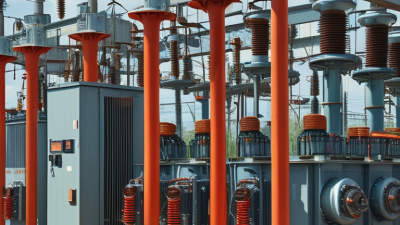
Oil Cooled Distribution Transformers are essential in modern power systems. They efficiently manage electrical loads while ensuring operational safety. These transformers use oil for cooling, enhancing their performance and lifespan.
In urban settings, the demand for reliable electricity continues to increase. Oil Cooled Distribution Transformers play a vital role in meeting this demand. They safeguard against overheating, which can lead to failures. The oil not only cools but also insulates electrical components.
Selecting the right transformer is crucial. The benefits are significant, but improper use can lead to issues. Understanding these devices requires expertise. Their operations are complex, and mistakes could be costly. Therefore, investing in quality transformers is essential for long-term reliability.
Read more »
By:Emily
- August 24, 2026