KROS Electric Insights

Industry Insights & Technical Articles

Explore expert advice, transformer engineering innovations, and industry news from KROS Electric Co., Ltd.

Power Engineering Knowledge

Advanced Solutions for Modern Grids

Technical guides on distribution power efficiency and long-term asset optimization.

Renewable Energy Solutions

Solar & Dry-Type Transformer Standards

High-efficiency designs tailored for renewable energy generation and eco-friendly infrastructure.

BIS & ISO Certification

Engineering Excellence & Global Standards

35+ years of certified manufacturing precision powering global energy transformation.

0%

Renewable Energy Grid Transformers are essential links between clean power plants and the electricity network. They raise or lower voltage safely. They also help move power across long distances with fewer losses. Without them, wind and solar projects may generate electricity but struggle to deliver it reliably.

John D. McDonald, a respected IEEE power-system expert, has said, “The electric power industry is undergoing the greatest transformation since its inception.” His observation explains why transformer design now matters more than ever. Renewable projects produce changing outputs. Cloud cover can reduce solar generation within minutes. Wind speed can rise sharply, creating new operating demands. Modern transformers must handle these variations while supporting protection, monitoring, and stable voltage control.

In practical installations, engineers examine insulation strength, thermal performance, fault resistance, and maintenance access. A transformer may stand beside a solar field under intense heat, dust, and repeated daily loading. Offshore wind projects add salt, moisture, and difficult repair conditions. Digital sensors can track oil temperature, winding stress, and emerging faults. Small warnings matter.

Still, no transformer is perfect. Forecasting remains uncertain. Supply chains can also delay replacement units. A technically strong project may fail if maintenance planning is weak. This is where field experience becomes valuable. Careful specifications, factory testing, condition monitoring, and realistic emergency plans improve reliability. The discussion around Renewable Energy Grid Transformers is therefore not only about equipment. It concerns long-term grid resilience, responsible investment, and the difficult balance between rapid clean-energy growth and dependable electricity service.
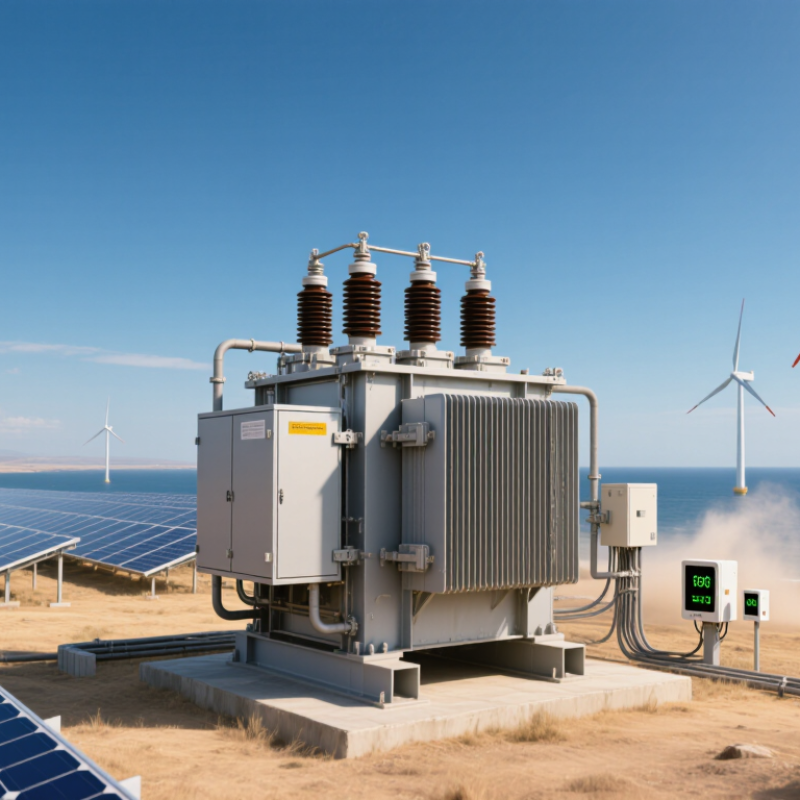
What Are Renewable Energy Grid Transformers?

Definition and Role of Renewable Energy Grid Transformers

Renewable energy grid transformers are specialized electrical devices that connect solar and wind facilities to the power network. Their core role is voltage conversion. They raise electricity to transmission levels or reduce it for local distribution. This process makes renewable power safer and more practical to deliver over long distances.

Output from renewable sources can change within minutes. Clouds may cover solar panels, while wind speed can rise suddenly. A grid transformer must manage these variations without excessive heating or unstable voltage. It also provides electrical isolation and supports protective systems during faults. In a substation, engineers may monitor oil temperature, winding condition, voltage, and unusual vibration. Small changes can signal a serious problem.

A transformer is not just a large metal box.

Its design must match the project’s capacity, location, and grid requirements. Coastal installations may need stronger protection against salt and moisture. Large solar sites can also create harmonics that require careful system analysis. Field technicians inspect connections, cooling equipment, insulation, and grounding during scheduled maintenance. These checks reflect practical experience, not only textbook calculations. Still, renewable projects can expose weaknesses that early models miss, especially during repeated weather changes. Engineers must review operating data and adjust maintenance plans when evidence shows unexpected stress. Reliability depends on the whole connection system, not the transformer alone.

How Renewable Energy Grid Transformers Work

Renewable energy grid transformers connect variable power sources to the electricity network. Their main job is voltage conversion. Solar panels and wind turbines usually produce electricity at lower voltages. Inverters first convert and control that output. The transformer then raises the voltage for efficient transmission over long distances.

Inside the transformer, alternating current passes through copper windings around a magnetic core. Different winding turns create the required voltage ratio. Sensors watch temperature, load, and oil or insulation conditions. Protection equipment can disconnect the unit during faults. Power may also flow in reverse when electricity moves from the grid toward storage systems. This makes modern transformer design more flexible, but less simple. Wind and solar output changes quickly. The transformer must handle those changes without excessive heating or unstable voltage.

Tips: Check cooling equipment, cable connections, and protection settings during scheduled maintenance. Keep records of unusual noise or temperature rises. Small changes can reveal insulation stress early. Technicians should also compare measured performance with the original design limits. Those limits are not permanent in every operating environment. Dust, salt air, humidity, and repeated load changes can accelerate wear. A careful inspection may find a problem before it interrupts renewable power delivery. The process is practical, but not perfect; predictions can miss local conditions.

Key Components and Technical Characteristics

What Are Renewable Energy Grid Transformers?

Renewable energy grid transformers connect solar and wind plants with distribution or transmission networks. They raise generated voltage for efficient, long-distance delivery. Their core, windings, bushings, tap changer, cooling system, and protection devices must work together.

Technical design begins with changing power patterns. Solar output rises quickly after sunrise, while wind generation can vary within minutes. Transformers therefore need strong thermal performance and reliable insulation. Many installations use on-load tap changers to control voltage during changing grid conditions. Monitoring systems track oil temperature, winding temperature, moisture, and dissolved gases. These measurements can reveal overheating or insulation damage before failure. Harmonic performance also matters, especially when power electronic converters connect renewable equipment to the grid. Engineers should check short-circuit strength, sound levels, fire protection, and corrosion resistance at the project site.

Tips: Compare rated power with expected peaks, not average production. Confirm cooling capacity during hot weather. Inspect cable connections and bushings regularly. Keep accurate maintenance records. Small details matter.

Field experience shows that transformer reliability depends on the whole installation, not one component. Poor grounding, dust, loose terminals, or blocked radiators can create serious problems. A perfect forecast does not exist. That assumption deserves challenge. Designs should include reasonable operating margins, clear alarm settings, and access for safe inspection. Noise control and transport limits also deserve attention before procurement.

What Are Renewable Energy Grid Transformers?

Grid transformers connect renewable power plants to transmission and distribution networks by changing voltage levels for efficient, stable electricity delivery.

The chart shows representative nominal AC voltage levels commonly associated with grid-transformer applications. Actual system voltages vary by country and network design. Key transformer characteristics include voltage ratio, rated power, insulation level, cooling method, impedance, efficiency, and the ability to regulate voltage under changing renewable generation.

Applications in Solar, Wind, and Hybrid Power Systems

What Are Renewable Energy Grid Transformers?

Renewable energy grid transformers connect solar, wind, and hybrid plants to electricity networks. They raise voltage for efficient transmission and manage changing power flows. Unlike conventional plants, these facilities rely heavily on inverter-based generation. Their transformers must tolerate harmonics, rapid load changes, and frequent voltage adjustments. Small losses still matter.

Solar projects often use pad-mounted transformers beside inverter stations. These units collect low-voltage output and raise it to medium voltage. A substation transformer then increases voltage for long-distance transmission. The IRENA Renewable Capacity Statistics 2024 reported 473 gigawatts of renewable capacity added globally in 2023. That growth increases demand for reliable transformer capacity, not merely more generation equipment. Field engineers also inspect heat, moisture, cable loading, and sound levels. Design drawings rarely show every operating surprise.

Wind farms use collector transformers across multiple turbines. Offshore projects add larger transformers inside substations, where salt air and difficult maintenance raise technical risks. Hybrid plants combine solar, wind, batteries, and sometimes flexible generation. Their transformers may experience rapid reversals between exporting and importing power. The IEA Renewables 2024 report expects global renewable capacity to expand by about 5,500 gigawatts between 2024 and 2030. Protection settings must therefore respond quickly without causing unnecessary trips. A perfect forecast does not exist. Engineers still need conservative margins, clearer monitoring, and regular review.

Benefits, Challenges, and Future Development

What Are Renewable Energy Grid Transformers?

Renewable energy grid transformers connect solar farms, wind facilities, and storage systems to electricity networks. They raise or lower voltage safely, helping power travel across long distances with fewer losses. In practice, engineers select transformers according to capacity, voltage, cooling needs, and local grid requirements. A transformer beside a solar field may face intense heat, dust, and rapid output changes.

The benefits are practical. These transformers support cleaner electricity, improve transmission efficiency, and help renewable projects serve distant communities. Modern monitoring can detect unusual temperatures, moisture, or vibration before serious damage occurs. Better data also supports planned maintenance. That matters when replacing a large transformer may require weeks, heavy transport, and careful site preparation. Small details matter.

Challenges remain. Renewable output changes with clouds, wind speeds, and seasonal patterns. Frequent fluctuations can increase thermal stress and complicate voltage control. Extreme weather creates further risks, especially flooding and wildfire exposure. Engineers must also manage limited materials, long delivery times, and strict safety requirements. Some projects still underestimate maintenance access. That mistake can become expensive.

Future development will focus on digital sensors, stronger insulation, recyclable materials, and flexible designs for mixed energy systems. Transformers may work more closely with batteries and automated controls. Cybersecurity will also require serious attention. More connectivity creates more entry points. Yet advanced equipment is not automatically reliable. Field testing, transparent maintenance records, and trained technicians must guide deployment. The industry still has room to learn.

FAQS

What does a renewable energy grid transformer do?

It changes voltage between renewable generators and the electricity network. Higher voltage supports efficient transmission across long distances.

Why do solar and wind systems need transformers?

Solar panels and wind turbines usually produce lower-voltage electricity. Inverters control that output before the transformer raises its voltage.

How does a transformer change voltage?

Alternating current moves through copper windings around a magnetic core. Different winding turns create the required voltage ratio.

Can electricity flow backward through a transformer?

Yes. Power may move from the grid toward batteries or other storage systems. This makes modern designs more flexible.

How do transformers handle changing renewable output?

Sensors track load, temperature, and insulation conditions. Cooling systems and voltage controls help manage rapid changes.

What parts need regular inspection?

Technicians should check radiators, cable connections, bushings, cooling equipment, and protection settings. Listen for unusual noise.

Which site conditions can reduce transformer reliability?

Dust, salt air, humidity, heat, flooding, and repeated load changes can accelerate wear. Blocked radiators are especially troublesome.

How can monitoring reveal problems early?

Temperature, moisture, vibration, and dissolved-gas readings may show overheating or insulation damage. Small changes matter.

What challenges affect renewable energy transformers?

Output varies with clouds, wind, and seasons. Delivery delays, limited materials, fire exposure, and poor maintenance access add pressure.

What improvements may shape future transformer designs?

Future systems may use digital sensors, stronger insulation, recyclable materials, batteries, and automated controls. More connectivity also creates cybersecurity concerns. Progress is not automatic.

Conclusion

Renewable Energy Grid Transformers are specialized electrical devices that connect renewable power sources to transmission and distribution networks. They raise or lower voltage efficiently, helping electricity from solar farms, wind turbines, and hybrid power systems travel safely over long distances and reach consumers. By managing voltage conversion and supporting grid stability, these transformers play a vital role in integrating variable renewable generation into modern power infrastructure.

Their main components include magnetic cores, windings, insulation systems, cooling equipment, monitoring devices, and protective controls. Technical characteristics such as high efficiency, reliable insulation, flexible voltage regulation, and resistance to changing loads are especially important in renewable applications. Although challenges may include fluctuating power output, harsh operating environments, maintenance requirements, and rising equipment costs, continued development is improving digital monitoring, energy efficiency, durability, and system flexibility. As renewable capacity expands, these transformers will become increasingly important for building resilient, low-carbon, and reliable electricity networks.

Emily

Emily

Emily is a dedicated marketing professional with a deep expertise in our company’s products. With a passion for communication and a knack for storytelling, she regularly updates our website with insightful blog posts that inform and engage our audience. Her extensive knowledge of our offerings......
Download Brochure Chat on WhatsApp