Industry Insights & Technical Articles
Explore expert advice, transformer engineering innovations, and industry news from KROS Electric Co., Ltd.
Advanced Solutions for Modern Grids
Technical guides on distribution power efficiency and long-term asset optimization.
Solar & Dry-Type Transformer Standards
High-efficiency designs tailored for renewable energy generation and eco-friendly infrastructure.
Engineering Excellence & Global Standards
35+ years of certified manufacturing precision powering global energy transformation.
Best Dry Type Power Transformers for Global Buyers?
Table of Contents
- Overview of Dry Type Power Transformers and Their Global Market Demand
- Key Features and Advantages of Dry Type Transformers Over Liquid Types
- Top Manufacturers of Dry Type Transformers: Global Market Share and Impact
- Technical Specifications and Performance Metrics for Optimal Selection
- Future Trends in Dry Type Power Transformers: Innovations and Sustainability
- FAQS
- Conclusion
- Related Posts
The demand for Dry Type Power Transformers continues to grow globally due to their reliability and safety. Recent market analysis shows that the dry type transformer segment is expected to reach a value of $9.4 billion by 2027. This growth is largely driven by increased investments in renewable energy and industrial applications.
Industry expert Dr. Maria Chen emphasized the significance of these transformers when she stated, “Dry Type Power Transformers are essential for enhancing energy efficiency and safety in urban infrastructure.” These transformers are favored in sensitive environments, reducing fire risks associated with oil-filled types. However, challenges remain, such as their higher initial cost and the need for regular maintenance checks.
Despite these concerns, many buyers are shifting towards dry-type solutions for their operational advantages. The push for sustainable energy sources urges manufacturers to innovate continuously. The evolving landscape of the transformer market highlights both the opportunities and potential pitfalls on the journey to adopting Dry Type Power Transformers effectively. Balancing cost with performance will remain a key consideration for global buyers.
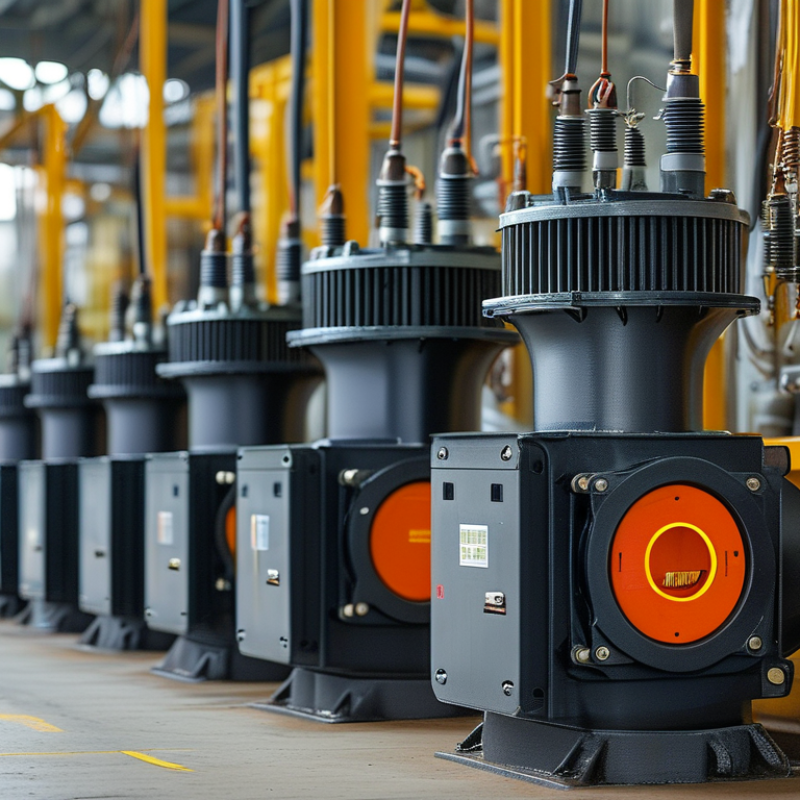
Overview of Dry Type Power Transformers and Their Global Market Demand
The global market for dry type power transformers is witnessing significant growth. Recent reports indicate a surge in demand, with an estimated market value reaching USD 18.7 billion by 2026. This increase is primarily driven by the rise in renewable energy investments and urbanization. Dry type transformers are favored for their safety and reliability, making them ideal for urban areas where fire hazards are a concern.
In regions like North America and Europe, the adoption of dry type transformers is particularly high. The market is anticipated to expand at a compound annual growth rate (CAGR) of 6.5% from 2021 to 2026. However, some markets still lag due to high upfront costs and limited awareness of technology benefits. Developing regions present opportunities, but challenges include inadequate infrastructure and reliance on traditional transformers.
Emerging technologies improve dry type transformers. Innovations like enhanced cooling systems boost efficiency. Still, manufacturers must address reliability and maintenance issues. Customers often find it challenging to choose the right type for their applications. Industry experts emphasize the need for more education on dry type transformers to maximize their benefits and ensure informed purchasing decisions. This knowledge gap can impact market growth, and companies should prioritize consumer awareness initiatives.
Key Features and Advantages of Dry Type Transformers Over Liquid Types
Dry type transformers are gaining popularity among global users. These transformers do not use liquid insulation, making them safer and environmentally friendly. One significant advantage is their ability to operate in confined spaces without the risk of leaks. This feature is essential for urban installations where safety is a priority.
Another key advantage is lower maintenance needs. Dry type transformers are less prone to insulation breakdown. They can withstand extreme environmental conditions. This resilience ensures longer service life. In industrial applications, this translates to reduced downtime and lower operational costs.
However, their initial cost can be higher than liquid-filled models. Users must weigh this against long-term savings. Some environments may still benefit from liquid types for specific cooling needs. Each application requires careful consideration and evaluation. Dry type transformers are a solid choice for many applications, but they are not universally ideal.
Top Manufacturers of Dry Type Transformers: Global Market Share and Impact
The global dry-type transformer market has witnessed significant growth in recent years, driven by urbanization and the demand for reliable power systems. According to industry reports, the market is projected to grow at a CAGR of 6.89% from 2021 to 2028. This growth is largely attributable to the increasing focus on energy efficiency and environmental sustainability.
Key manufacturers are reshaping the market landscape. These players account for a significant share, presenting innovative solutions to enhance power distribution. Countries in Asia Pacific are particularly prominent in this sector, as they invest heavily in infrastructure. Numerous studies reveal that nearly 35% of global installations occur in this region, mainly due to urbanization and industrialization.
Despite the promising growth, challenges remain. Supply chain disruptions and material costs impact pricing. Moreover, the transition from oil-filled to dry-type transformers requires careful consideration of installation environments. As the industry evolves, stakeholders must adapt to these dynamics, ensuring the reliability and efficiency of transformers while navigating market complexities.
Technical Specifications and Performance Metrics for Optimal Selection
When choosing the best dry type power transformers, understanding technical specifications is crucial. Key metrics include voltage rating, phase configuration, and insulation system. These specifications impact performance, reliability, and longevity. Focus on the transformer's cooling method, as it directly affects efficiency and heat dissipation.
Knowing power ratings helps in selecting the right unit. This includes the transformer's capacity to handle overloads without failure. Thermal management is also vital; transformers operating in high-temperature environments need sufficient thermal insulation. Optimal transformer selection enhances electric system resilience.
Tips include evaluating the installation environment carefully. Consider factors like humidity and dust, which could impact performance. Also, consult with professionals about your specific needs. They can provide insights that aren't obvious initially. Reflecting on these factors improves your selection process. Always expect that there is a trade-off between cost and performance. Keep that in mind as you navigate available options.
Best Dry Type Power Transformers Performance Comparison
Future Trends in Dry Type Power Transformers: Innovations and Sustainability
The future of dry type power transformers is leaning towards enhanced sustainability and innovation. As global demands for clean energy rise, manufacturers are exploring environmentally friendly materials and processes. This shift not only reduces emissions but also improves the overall efficiency of transformers. Enhanced insulation materials are becoming commonplace, offering better performance and longevity. The combination of operational efficiency and minimal ecological impact is crucial for industry growth.
Innovations in monitoring technologies further highlight this trend. Advanced sensors are now integrated into transformers to provide real-time data on performance and potential issues. This proactive approach reduces downtime and maintenance costs. However, the challenge remains in ensuring that these technologies are accessible and affordable for all buyers. Some manufacturers face obstacles in scaling up their production without sacrificing quality or increasing costs.
Investing in research and development is essential for future advancements. The industry must focus on creating more sustainable designs while keeping performance at the forefront. Continuous dialogue among manufacturers, researchers, and users can foster better innovations. Yet, there are still gaps in collaboration that need addressing. Emphasizing shared goals can lead to a more sustainable future for dry type power transformers.
FAQS
: Focus on voltage rating, phase configuration, and insulation system. These affect performance and reliability.
The cooling method directly impacts heat dissipation. Proper cooling enhances efficiency and overall performance.
Transformers in high-temperature environments require effective thermal insulation to prevent failures.
Consider humidity and dust levels. These factors can significantly affect transformer performance.
Professionals provide insights that may not be obvious. Their expertise can guide you toward better options.
Yes, there’s often a balance. Higher performance can mean higher costs, so assess your needs carefully.
There’s a focus on sustainability, innovative materials, and advanced monitoring technologies for better performance.
They provide real-time data on performance, reducing downtime and maintenance costs.
Ensuring accessibility and affordability while maintaining quality and control over production.
Effective collaboration can lead to sustainable designs and innovative solutions. However, it's often lacking.
Conclusion
Dry Type Power Transformers are increasingly gaining traction in the global market due to their unique features and advantages over traditional liquid-filled types. These transformers are characterized by their enhanced safety, reduced maintenance requirements, and environmental sustainability, making them a preferred choice in various applications. As the demand for reliable power solutions grows, understanding the key specifications and performance metrics of Dry Type Power Transformers becomes essential for buyers seeking optimal solutions.
The future of Dry Type Power Transformers looks promising, with continuous innovations focusing on efficiency and sustainability. As manufacturers adapt to market needs, advancements in technology are expected to enhance the performance and reliability of these transformers. Industry players are well-positioned to capitalize on this growing demand, driving the evolution of Dry Type Power Transformers in electrical infrastructure worldwide.

Blog Tags: