Industry Insights & Technical Articles
Explore expert advice, transformer engineering innovations, and industry news from KROS Electric Co., Ltd.
Advanced Solutions for Modern Grids
Technical guides on distribution power efficiency and long-term asset optimization.
Solar & Dry-Type Transformer Standards
High-efficiency designs tailored for renewable energy generation and eco-friendly infrastructure.
Engineering Excellence & Global Standards
35+ years of certified manufacturing precision powering global energy transformation.
What is Oil Cooled Distribution Transformers Benefits and Uses?
Table of Contents
- What are Oil Cooled Distribution Transformers?
- How Do Oil Cooled Distribution Transformers Work?
- Key Benefits of Using Oil Cooled Distribution Transformers
- Common Applications of Oil Cooled Distribution Transformers
- Maintenance and Safety Considerations for Oil Cooled Transformers
- FAQS
- Conclusion
- Related Posts
Oil Cooled Distribution Transformers are essential in modern power systems. They efficiently manage electrical loads while ensuring operational safety. These transformers use oil for cooling, enhancing their performance and lifespan.
In urban settings, the demand for reliable electricity continues to increase. Oil Cooled Distribution Transformers play a vital role in meeting this demand. They safeguard against overheating, which can lead to failures. The oil not only cools but also insulates electrical components.
Selecting the right transformer is crucial. The benefits are significant, but improper use can lead to issues. Understanding these devices requires expertise. Their operations are complex, and mistakes could be costly. Therefore, investing in quality transformers is essential for long-term reliability.
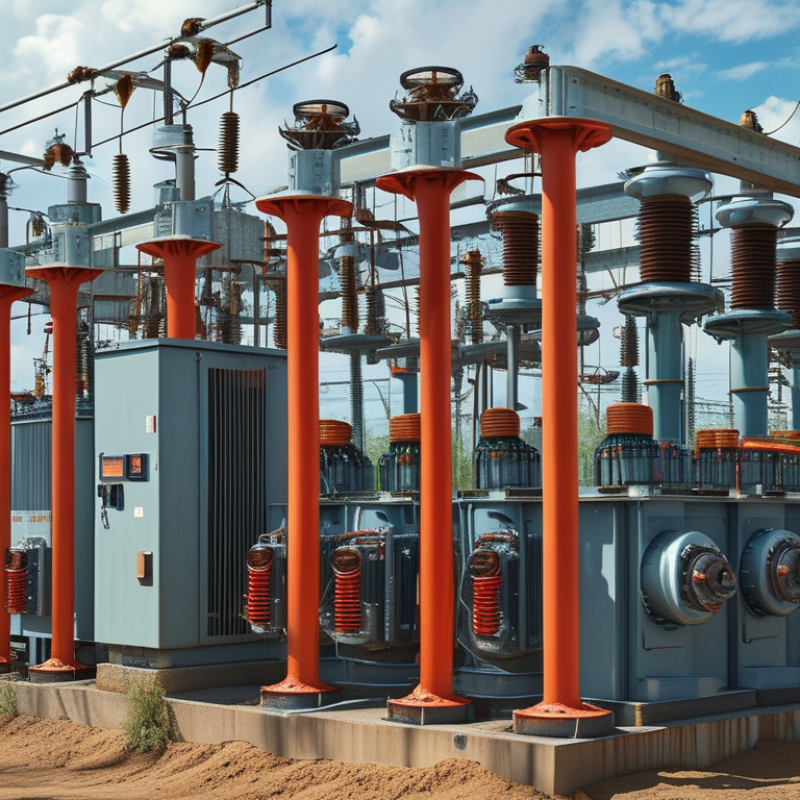
What are Oil Cooled Distribution Transformers?
Oil cooled distribution transformers are essential in electrical systems. They convert high voltage into lower levels for safe use. Unlike air-cooled transformers, these utilize oil for cooling, which offers several benefits. They are more efficient at dissipating heat, ensuring better performance. This is crucial for areas with high energy demands.
These transformers also have a longer lifespan. The oil acts as an insulator, reducing wear and tear on the components. In addition, they can handle larger load fluctuations without overheating. This reliability is significant for industries reliant on continuous power supply. Their design allows for smaller installations, saving space while delivering robust service.
It’s worth noting that maintenance is vital. Regular checks on oil quality and levels can prevent issues. Monitoring becomes essential to ensure performance. This adds a layer of responsibility for operators. Some users find it challenging to manage aging equipment and oil degradation. Adapting to these needs is crucial. Regular training for personnel ensures a deeper understanding of maintenance practices.
What is Oil Cooled Distribution Transformers Benefits and Uses?
| Feature | Description |
|---|---|
| Cooling Method | Uses oil as a coolant to dissipate heat effectively. |
| Efficiency | Higher efficiency due to better heat management. |
| Longevity | Extended lifespan due to less thermal stress on components. |
| Applications | Widely used in industrial and commercial power distribution. |
| Maintenance | Requires regular monitoring of oil quality and levels. |
| Safety | Oil can pose fire risks; proper safety measures are necessary. |
| Cost | Generally higher initial investment compared to air-cooled units. |
How Do Oil Cooled Distribution Transformers Work?
Oil cooled distribution transformers are essential in power distribution systems. They use oil as a coolant to maintain optimal temperatures during operation. This process increases efficiency and reduces the risk of overheating. The oil absorbs heat generated in the transformer, allowing it to function reliably in various environments.
These transformers operate by circulating oil around the core and windings. The heat absorbed by the oil is dissipated through radiators or other cooling mechanisms. This design helps achieve a more stable and consistent performance. An effective cooling system is critical in preventing failure. Despite their advantages, oil cooled transformers can pose environmental risks if there are leaks. Regular maintenance is therefore necessary to ensure safety and efficiency.
While oil cooled transformers provide significant benefits, they also come with challenges. They require careful monitoring to avoid overheating and leaks. Adverse conditions can compromise performance. Implementing regular inspections can help mitigate these risks. Ultimately, understanding their operation is crucial for optimizing their use in power distribution.
Key Benefits of Using Oil Cooled Distribution Transformers
Oil-cooled distribution transformers offer several key advantages that make them popular in various applications. One significant benefit is their ability to manage heat effectively. Oil acts as both a coolant and insulator, allowing these transformers to operate efficiently even in challenging conditions. This is particularly useful in urban areas where space is limited, as they can be smaller yet still deliver high performance. The sealed nature of the oil system also helps prevent moisture ingress, enhancing longevity.
Another important aspect is their reliability. Oil-cooled transformers are less prone to overheating and damage, which translates to reduced maintenance costs over time. Additionally, these transformers can handle overload conditions better than air-cooled models. This resilience makes them suitable for industries that experience variable loads. Nonetheless, it's crucial to consider the environmental impact and ensure that proper systems are in place to manage oil spills, which can lead to serious ecological issues.
Safety is paramount when using oil-cooled transformers. While they are generally safe, the potential for fire risk cannot be ignored. Regular inspections and adherence to safety protocols are essential to mitigate this concern. Proper training for personnel involved in operations and maintenance ensures that these devices can be both effective and secure in their applications.
Common Applications of Oil Cooled Distribution Transformers
Oil cooled distribution transformers are essential in various sectors. They are commonly used in industrial settings, commercial buildings, and utility plants. Their primary function is to step down voltage levels for safe distribution. Thanks to their oil cooling systems, they maintain optimal operating temperatures. This is crucial for efficiency and longevity.
One notable application is in renewable energy systems. These transformers manage electricity from solar farms and wind turbines. They ensure a steady and reliable power supply. In urban areas, they play a vital role as a part of smart grids. These grids can adapt energy distribution based on real-time demands. This flexibility is becoming increasingly significant.
When using oil cooled transformers, there are a few things to keep in mind. Regular maintenance checks are necessary to ensure efficiency. Monitor the oil levels and quality; these affect performance. Consider environmental factors that may impact the transformers. Proper placement can reduce risks and enhance functionality. Always prioritize safety standards to minimize hazards.
Maintenance and Safety Considerations for Oil Cooled Transformers
Oil cooled transformers are popular in various applications due to their effective cooling system. However, maintenance and safety should be a primary focus for users. Regular inspections are essential to ensure functionality and longevity. Check for oil leaks or contamination frequently, as they can lead to severe operational issues.
Safety measures are also crucial. Oil is flammable, which raises fire risks. Implementing adequate fire suppression systems is vital. Workers should wear protective gear during maintenance tasks. Educating staff on risks and best practices can minimize accidents.
Despite their advantages, oil cooled transformers can develop unexpected issues. Sudden failures may occur without warning. A proactive approach helps identify potential problems early. Routine maintenance schedules need to be strictly followed. This diligent attention can significantly enhance transformer performance and safety.
FAQS
: They effectively manage heat and act as coolants and insulators. They are smaller yet high-performing in limited spaces.
Yes, they are less prone to overheating. This results in lower maintenance costs over time.
They manage overloads better than air-cooled models, making them suitable for industries with variable loads.
They are used in industrial settings, commercial buildings, and renewable energy systems like solar farms.
Maintenance checks prevent operational issues and ensure efficiency and longevity of the transformers.
There is a fire risk due to flammability of oil, so safety measures must be in place.
Conduct regular inspections, monitor oil quality, and educate staff on safety protocols to minimize hazards.
Yes, sudden failures may happen. A proactive approach helps identify problems early on.
Workers should wear protective gear and implement fire suppression systems during maintenance tasks.
Environmental conditions affect performance and safety. Proper placement and monitoring are crucial for effectiveness.
Conclusion
Oil Cooled Distribution Transformers are essential components in electrical power distribution systems, utilizing oil as a coolant to manage heat generated during operation. These transformers provide excellent thermal management, which is crucial for maintaining efficiency and prolonging lifespan. Their operation involves circulating oil through the transformer to absorb heat, ensuring that the core and windings remain at optimal temperatures.
The key benefits of using Oil Cooled Distribution Transformers include enhanced heat dissipation, reduced noise levels, and improved reliability under varying load conditions. They are commonly employed in industrial, commercial, and utility applications, serving areas such as substations, factories, and large buildings. Additionally, maintenance and safety considerations are vital, ensuring that the oil is monitored for leaks and impurities to prevent hazards. Overall, Oil Cooled Distribution Transformers are a robust solution for efficient and safe power distribution.

Blog Tags: