KROS Electric Insights

Industry Insights & Technical Articles

Explore expert advice, transformer engineering innovations, and industry news from KROS Electric Co., Ltd.

Power Engineering Knowledge

Advanced Solutions for Modern Grids

Technical guides on distribution power efficiency and long-term asset optimization.

Renewable Energy Solutions

Solar & Dry-Type Transformer Standards

High-efficiency designs tailored for renewable energy generation and eco-friendly infrastructure.

BIS & ISO Certification

Engineering Excellence & Global Standards

35+ years of certified manufacturing precision powering global energy transformation.

0%

China’s expanding power infrastructure demands dependable transformer maintenance, not merely fast equipment delivery. Transformer Oil Filtration Services help utilities, factories, renewable-energy sites, and substations protect insulation performance under demanding operating conditions. Moisture, dissolved gases, particles, and oxidation products can quietly weaken transformer oil. The damage may begin inside a clear-looking sample.

Martin Heathcote, author of The J&P Transformer Book, wrote, “The transformer is the most reliable item of electrical plant, but it is not immune from failure.” This warning remains practical. A qualified Chinese service provider should combine field experience, laboratory testing, vacuum dehydration, fine-particle removal, and documented quality control. Technicians should inspect oil temperature, dielectric strength, moisture levels, acidity, and interfacial tension before recommending treatment. Every transformer has a history. Filtration should respect it.

Reliable Transformer Oil Filtration Services are therefore measured by evidence, not impressive promises. Experienced teams use calibrated equipment, clean hoses, controlled flow rates, and properly sealed storage tanks. They also record before-and-after test results. Small details matter. One contaminated connection can compromise an otherwise careful operation. Provider selection should include safety procedures, technician training, response time, equipment capacity, and transparent reporting. These points sound ordinary. They are often overlooked.

China offers capable service companies, but quality is not uniform. Buyers should verify references, testing methods, maintenance records, and relevant certifications before signing a contract. A filtration campaign may reduce risk, yet it cannot repair every aging component. That limitation deserves honest discussion. The best provider explains what filtration can improve, what it cannot correct, and when deeper transformer diagnostics are necessary.
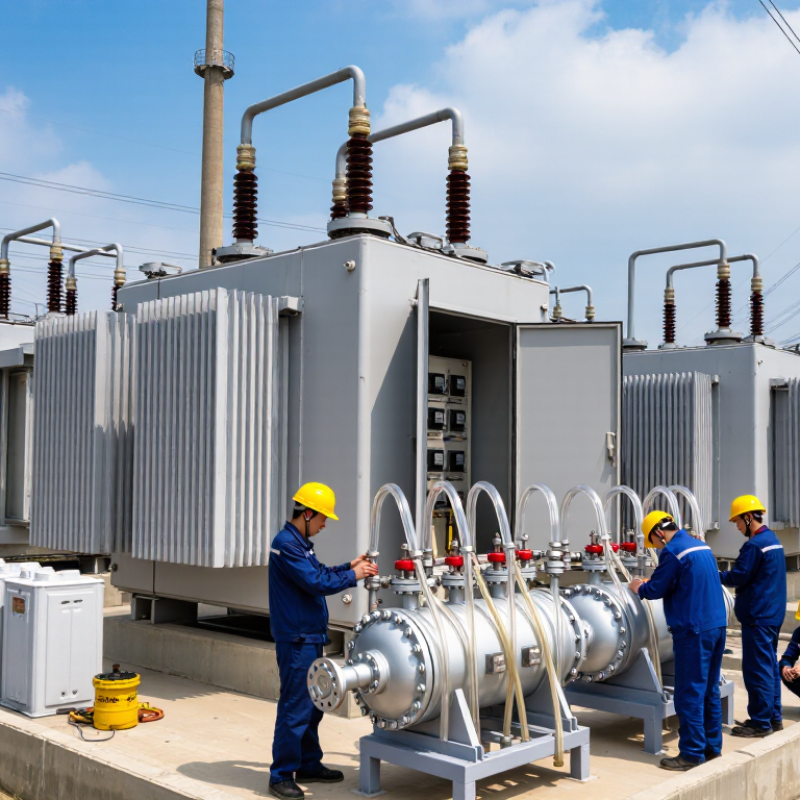
China Top Transformer Oil Filtration Services Provider

Transformer Oil Filtration: Purpose, Scope, and Industry Role

China Top Transformer Oil Filtration Services Provider

Transformer oil filtration removes water, particles, sludge, and suspended oxidation products. These contaminants weaken insulation and accelerate paper ageing inside transformers. Filtration also supports safer maintenance decisions during commissioning, servicing, and load changes.

IEC 60422:2013 recommends regular oil condition assessment, not filtration alone. That distinction matters.

The process usually includes heating, vacuum dehydration, fine-particle removal, and controlled sampling. Field technicians should record oil temperature, vacuum level, flow rate, and filter differential pressure.

Laboratory checks may include breakdown voltage, water content, acidity, interfacial tension, tan delta, and dissolved gas analysis.

A clean sample can still mislead. Sampling errors remain common.

The U.S. Department of Energy reports that distribution transformers consume about 61 billion kilowatt-hours annually, nearly 2.5% of national electricity use. Better oil condition can reduce avoidable losses and extend equipment service intervals.

CIGRE Technical Brochure 642 compiled reliability information from 964 transformer units, showing why condition-based maintenance deserves industry attention. Filtration helps, but it cannot repair damaged paper insulation or reverse severe thermal ageing.

Operators should compare test trends, not trust one impressive result.

China’s transformer oil filtration services increasingly support utilities, factories, renewable projects, and emergency maintenance teams. Practical work still depends on trained technicians, calibrated instruments, and transparent test records.

Core Technologies Used in Transformer Oil Purification

China Top Transformer Oil Filtration Services Provider

Core technologies determine whether transformer oil purification restores insulation performance or only improves its appearance. IEC 60422:2013 evaluates oil through breakdown voltage, water content, acidity, and dissipation factor. These indicators expose different risks. Clear oil can still contain dissolved moisture. That is the difficult part.

Modern filtration systems combine vacuum dehydration, fine-particle filtration, and controlled heating. Vacuum dehydration removes free and dissolved water at reduced pressure. Multi-stage filters capture carbon, fibers, and metal particles. IEEE C57.106-2015 recommends testing mineral insulating oil before and after maintenance. Field technicians should record temperature, vacuum level, flow rate, and final dielectric strength. Small records matter. They reveal unstable equipment settings.

Oil purification also benefits from dissolved gas analysis. Hydrogen, methane, acetylene, and carbon monoxide may indicate overheating, arcing, or paper degradation. CIGRE Technical Brochure 771 highlights the value of combining oil chemistry with transformer condition data. Filtration cannot repair damaged cellulose. It can only reduce contamination and moisture stress. That distinction is often missed. In practice, operators should compare laboratory results with historical trends, not rely on one sample. Sampling errors remain a weakness. A warm, poorly sealed bottle can distort the result before analysis begins.

China Top Transformer Oil Filtration Services Provider - Core Technologies Used in Transformer Oil Purification

Technology / Process Primary Contaminant Removed Operating Principle Typical Capability Key Benefit Important Considerations
Coarse and Fine Filtration Suspended solids, fibers, carbon particles and rust Mechanical separation through staged filter elements with progressively smaller pore sizes Can reduce particle contamination to the cleanliness level required for insulating oil service Protects transformer insulation and downstream vacuum equipment Filter elements require inspection and replacement when differential pressure increases
Vacuum Dehydration Dissolved water and free water Heated oil is exposed to a controlled vacuum, lowering the boiling point of water so moisture can be vaporized and removed Suitable for reducing moisture content to low parts-per-million levels when correctly operated Improves dielectric strength and reduces accelerated aging of cellulose insulation Oil temperature, vacuum level and residence time must be controlled to avoid excessive thermal stress
Vacuum Degassing Dissolved air and other gases Vacuum exposure reduces gas solubility and allows dissolved gases to separate from the oil Reduces gas content and helps limit bubble formation during transformer operation Supports higher insulation reliability and more stable dielectric performance The process does not remove all dissolved degradation products or restore aged insulation paper
Vacuum Oil Purification Combined moisture, gases and fine particles Integrates heating, filtration, vacuum dehydration and degassing in a continuous treatment circuit Commonly used for on-site treatment, oil filling and oil circulation during transformer maintenance Provides multi-contaminant removal in one controlled process Performance depends on oil condition, flow rate, equipment settings and the number of treatment passes
Adsorption Treatment Acidic compounds, polar contaminants and some oxidation products Adsorbent media such as activated clay or specialized treatment media capture undesirable polar compounds Can improve acidity, interfacial characteristics and color when the oil is moderately aged Extends the usable life of some mineral insulating oils Spent adsorbent must be handled properly, and excessive treatment may remove beneficial additives
Fine Particle and Membrane Separation Very small solid particles and selected suspended contaminants Depth filters, absolute filters or membrane elements retain particles according to their separation rating Useful as a polishing stage after bulk filtration and dehydration Improves oil cleanliness and reduces particulate-related dielectric weakness High particle loading can cause rapid fouling and increased pressure drop
Oil Heating and Controlled Circulation Supports removal of moisture and gases rather than acting as a standalone contaminant filter Moderate heating lowers viscosity and improves mass transfer during filtration and vacuum treatment Used to maintain consistent flow and treatment efficiency during recirculation Enhances contact between the oil and the separation stages Excessive temperature or prolonged exposure can accelerate oil oxidation and must be avoided
Online Oil Condition Monitoring Moisture, dielectric strength, particle levels, acidity and dissolved gases Laboratory testing and field instruments evaluate oil condition before, during and after treatment Provides trend data for deciding whether filtration, dehydration or reclamation is required Helps verify treatment results and supports condition-based maintenance Results should be interpreted using recognized test methods and transformer operating conditions
Final Quality Verification Verification of residual moisture, particles, gases and oil degradation indicators Post-treatment samples are tested against applicable insulating-oil specifications and project requirements Typical checks include breakdown voltage, water content, acidity, interfacial tension, dissipation factor and visual appearance Confirms whether the treated oil is suitable for its intended electrical service Testing should follow applicable IEC, ASTM or equivalent national standards
Note: Actual treatment results vary according to oil type, transformer design, contamination level, equipment capacity, operating temperature, vacuum conditions and the selected test standards.

Service Standards and Quality Control in China

China Top Transformer Oil Filtration Services Provider

Service Standards and Quality Control in China

Reliable transformer oil filtration begins with disciplined field practice. Technicians inspect oil temperature, moisture, acidity, breakdown voltage, and visible contamination before connecting equipment. Each sample receives a traceable code, collection time, and equipment location. Small details matter.

Service teams should follow applicable Chinese standards and relevant IEC testing methods. Calibrated vacuum pumps, particle filters, heaters, and moisture sensors require documented inspections. Operators monitor flow pressure and oil temperature throughout the treatment. Sudden changes may indicate leaks, blocked filters, or excessive heating. Experienced technicians stop the process when readings become abnormal.

Quality control continues after filtration. Fresh samples are tested in an independent laboratory when project conditions require stronger verification. Results should be compared with pre-treatment data, not judged alone. A clear service report records equipment settings, test values, operating hours, and unresolved observations. This supports accountability and future maintenance decisions.

No process is perfect. A missed sample label can weaken an otherwise careful report. Field noise, weather, and limited access may also affect judgment. Honest providers record these limitations instead of hiding them. Better procedures come from reviewing such mistakes. That review is sometimes uncomfortable. It remains necessary.

The chart presents selected quality-control limits commonly applied to new, unused transformer insulating oil under IEC 60296. Breakdown voltage and interfacial tension are minimum targets, while water content, acidity, and dissipation factor are maximum limits. Actual acceptance criteria should be confirmed according to the transformer design, oil category, voltage class, and applicable standard edition.

Selecting a Reliable Transformer Oil Filtration Provider

China Top Transformer Oil Filtration Services Provider

Selecting a Reliable Transformer Oil Filtration Provider

Choosing a transformer oil filtration provider requires more than comparing hourly rates. The supplier should understand moisture, acidity, dielectric strength, and dissolved gas results. IEC 60422:2013 recommends condition-based supervision of mineral insulating oils, not routine treatment without testing.

CIGRE’s transformer reliability survey examined 964 failure records from multiple utilities. It identified insulation ageing and winding-related defects among important failure contributors. These findings support a practical question: can the provider connect oil data with transformer condition?

Ask for test records before and after filtration. A reliable team should measure breakdown voltage, water content, interfacial tension, and neutralization number. The sampling bottles must be clean, sealed, and clearly labelled. Small handling mistakes can distort results.

On site, inspect the filtration unit carefully. Vacuum level, flow rate, filter ratings, and oil temperature should be recorded. The operator must prevent air entry and avoid overheating the oil.

IEEE Std C57.106 provides guidance for accepting and maintaining insulating mineral oil. Request calibration certificates, method statements, emergency procedures, and technician qualifications.

Do not accept vague claims such as “100% purification.” That wording needs evidence.

A low quotation may hide weak sampling or poor documentation. I would also question providers promising one treatment for every transformer. Oil condition differs between a 10-year-old sealed unit and a heavily loaded outdoor transformer.

The selection process is not perfect. Still, measured results, transparent records, and careful field behavior reveal more than a polished sales presentation.

Applications, Benefits, and Maintenance Considerations

China Top Transformer Oil Filtration Services Provider

Applications, Benefits, and Maintenance Considerations

Transformer oil filtration supports power transformers, distribution units, and industrial substations. Field teams use it after installation, scheduled servicing, or oil contamination. The process removes moisture, gas, carbon particles, and suspended impurities. It can also improve oil breakdown strength under operating voltage. In practice, technicians inspect oil color, temperature, acidity, and dielectric strength before filtration. These details guide the treatment method and reduce unnecessary processing.

Cleaner oil helps insulation work more reliably. It also limits oxidation, sludge formation, and internal corrosion. Better oil quality may extend transformer service life and reduce unexpected shutdowns. However, filtration cannot repair damaged insulation or a leaking tank. That limitation matters. A perfect result is not always realistic, especially when equipment has operated for many years. Experienced service teams should compare laboratory data before and after treatment. They should record pressure, flow rate, vacuum level, and moisture readings during operation.

Tips: Store oil in sealed, clean containers. Keep hoses capped between jobs. Test oil before refilling. Check filter elements regularly, because blocked elements can reduce flow and increase stress on the system. Maintenance should include leak inspections, grounding checks, and calibration reviews. Do not rely only on appearance; clear oil can still contain dissolved water or gases. One missed sample may hide a developing fault. Regular records help technicians notice gradual changes and adjust maintenance intervals with better confidence.

FAQS

What does transformer oil filtration remove?

It removes water, particles, sludge, gas, carbon, and suspended oxidation products. Cleaner oil supports stronger insulation performance. However, it cannot repair damaged paper insulation or severe thermal ageing.

When is filtration commonly used?

Teams use it after installation, scheduled servicing, contamination, or major load changes. It also supports emergency maintenance. The correct timing depends on test results and equipment condition.

What happens during the filtration process?

Technicians usually heat the oil, apply vacuum dehydration, remove fine particles, and collect controlled samples. They monitor temperature, vacuum, flow rate, and filter pressure. Small changes can reveal leaks or blocked filters.

Which tests should be completed before and after treatment?

Useful checks include breakdown voltage, water content, acidity, interfacial tension, and tan delta. Dissolved gas analysis may reveal developing internal problems. One clean sample is not enough.

Can filtration extend transformer service life?

Better oil quality may reduce oxidation, sludge, corrosion, and unexpected shutdowns. It can support longer service intervals. Results vary. Old equipment may still need repairs or replacement planning.

How should oil samples be managed?

Each sample should show its collection time, equipment location, and traceable code. Use clean, sealed containers and capped hoses. A missed label can weaken an otherwise careful report.

What quality controls should a service team follow?

Teams should use calibrated pumps, heaters, filters, moisture sensors, and testing instruments. They should compare pre-treatment and post-treatment results. Independent laboratory checks can provide stronger verification when project conditions require it.

What maintenance mistakes should operators avoid?

Do not judge oil only by appearance, because dissolved water and gases may remain invisible. Inspect leaks, grounding, filter elements, and calibration status. The process is not perfect. Reviewing mistakes can improve future decisions.

Conclusion

Transformer Oil Filtration Services play an essential role in maintaining the safety, efficiency, and service life of power transformers. By removing moisture, suspended particles, dissolved gases, and other contaminants, filtration helps restore the insulating performance of transformer oil and reduces the risk of overheating, insulation breakdown, and unexpected equipment failure. Modern purification methods may include vacuum dehydration, fine-particle filtration, degassing, and controlled oil circulation, depending on the oil condition and transformer requirements.

Reliable providers in China should follow clear service procedures, accurate testing methods, strict quality control, and appropriate safety practices. When selecting a provider, users should consider technical capability, field experience, equipment condition, testing standards, response time, and maintenance support. Properly executed filtration can improve transformer reliability, extend oil and equipment life, reduce operating costs, and support stable performance in substations, power plants, industrial facilities, and renewable energy systems. Regular oil testing and scheduled maintenance remain important for long-term protection.

Liam

Liam

Liam is a dedicated marketing professional with a keen expertise in the company's product offerings. With a background steeped in strategic marketing and consumer engagement, he consistently demonstrates a profound understanding of market trends and customer needs. Liam takes pride in creating......
Download Brochure Chat on WhatsApp