Industry Insights & Technical Articles
Explore expert advice, transformer engineering innovations, and industry news from KROS Electric Co., Ltd.
Advanced Solutions for Modern Grids
Technical guides on distribution power efficiency and long-term asset optimization.
Solar & Dry-Type Transformer Standards
High-efficiency designs tailored for renewable energy generation and eco-friendly infrastructure.
Engineering Excellence & Global Standards
35+ years of certified manufacturing precision powering global energy transformation.
Top 10 Buchholz Relay Transformer Accessories Suppliers?
Table of Contents
- What Is a Buchholz Relay and Why Is It Used in Transformers?
- Key Features to Compare When Choosing Buchholz Relay Accessories
- How the Top 10 Buchholz Relay Accessory Suppliers Are Selected
- Top 10 Buchholz Relay Transformer Accessories Suppliers
- How to Evaluate Supplier Quality, Compatibility, and After-Sales Support
- FAQS
- Conclusion
- Related Posts
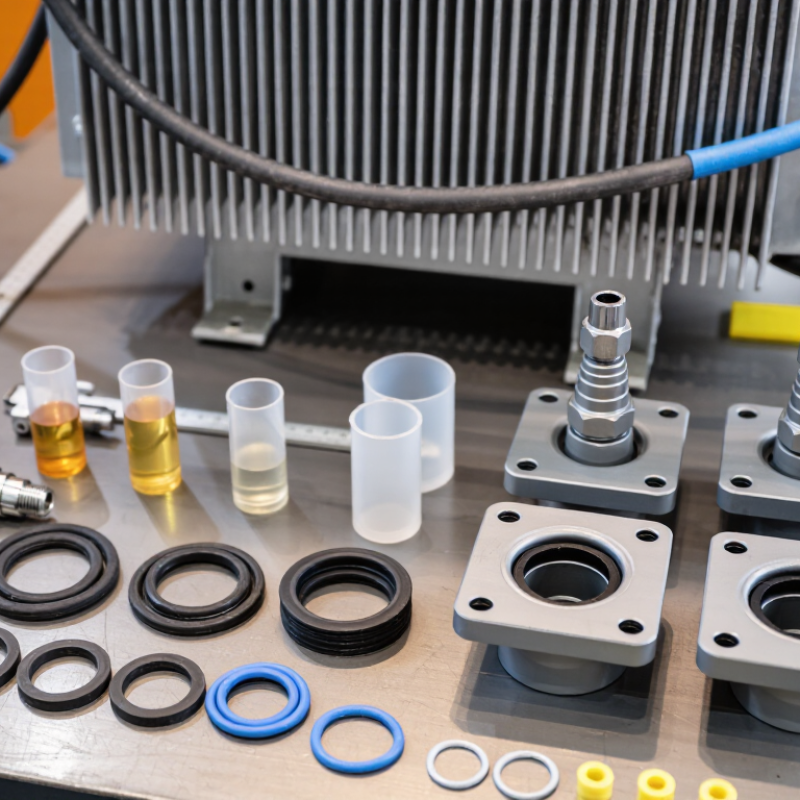
Choosing dependable suppliers for Buchholz Relay Transformer Accessories requires more than comparing product prices. These components support transformer protection, inspection, installation, and routine maintenance. A poorly matched test valve, oil cup, mounting flange, or cable connection can create unnecessary service problems. Details matter.
This guide examines ten suppliers associated with Buchholz Relay Transformer Accessories and evaluates their practical value for transformer manufacturers, utilities, contractors, and maintenance teams. The comparison considers manufacturing experience, material quality, dimensional accuracy, testing procedures, technical documentation, customization, delivery capability, and after-sales support. Suppliers with clear specifications and traceable quality processes deserve closer attention. So do those that understand transformer operating conditions, including vibration, oil pressure, temperature changes, and outdoor exposure.
However, no supplier is automatically the best choice for every project. That assumption fails. A company suitable for a large power transformer may not serve a compact distribution unit efficiently. Buyers should confirm flange dimensions, connection standards, pressure ratings, enclosure protection, sealing materials, and compatibility with the selected Buchholz relay. Independent inspection can also reduce avoidable risks, especially when accessories will operate in remote substations. The rankings should therefore act as a practical starting point, not a final purchasing decision. Some supplier information may change over time, and that limitation deserves honest attention. Request current datasheets, test records, sample approvals, warranty terms, and delivery commitments before signing a contract. Reliable decisions come from evidence, direct communication, and careful technical review.
What Is a Buchholz Relay and Why Is It Used in Transformers?
A Buchholz relay is a protective device installed between a transformer’s main tank and conservator. It monitors oil movement and gas formation inside oil-filled transformers. During a minor internal fault, overheating can decompose insulation and generate gas bubbles. These bubbles collect in the relay chamber and lower a float, activating an alarm. Clear evidence matters.
A more serious fault can produce a sudden oil surge toward the conservator. The relay’s flow element detects this movement and sends a trip signal to the circuit breaker. This action can isolate the transformer before fire, extensive winding damage, or prolonged service interruption occurs. The device does not replace regular testing. It adds an important layer of protection.
In field inspections, technicians should check the relay window, terminal wiring, oil level, gasket condition, and alarm contacts. They should also test both alarm and trip functions with approved procedures. Accessories from a reliable supplier may include mounting flanges, isolation valves, test plugs, cable glands, and replacement seals. Correct material selection is essential because oil, vibration, and temperature changes can weaken poor components. Installation errors remain surprisingly common. A relay can be technically sound yet fail because wiring is reversed or the pipe slope is incorrect. It is not perfect. Engineers should review operating records, fault history, and site conditions before selecting a replacement or accessory package.
Key Features to Compare When Choosing Buchholz Relay Accessories
When comparing the top 10 Buchholz relay accessory suppliers, begin with technical fit, not catalog size. A relay should match the transformer’s oil volume, pipe diameter, mounting angle, and operating pressure. Check float material, switch sensitivity, contact ratings, and gasket compatibility. For outdoor installations, examine enclosure protection, corrosion resistance, and cable-entry quality. Small details matter.
IEC 60076-22-1 provides guidance for transformer protection devices, including gas-actuated relay applications. Suppliers should provide dimensional drawings, wiring diagrams, calibration records, and routine test evidence. Ask whether alarm and trip contacts are independently adjustable. Confirm performance across the specified temperature range.
CIGRE Technical Brochure 642 reviewed 964 transformer failure events involving 675 transformers. That evidence supports choosing accessories with documented reliability and clear maintenance procedures. Numbers deserve attention.
Supplier service also needs careful comparison. Review spare-part availability, replacement float assemblies, inspection intervals, and response time for technical questions. Traceable serial numbers improve field investigations. A supplier offering only a low purchase price may create higher outage costs later. This is easy to overlook.
Also assess factory acceptance testing, packaging for long-distance transport, and compatibility with existing monitoring systems. Some product claims appear impressive, yet the supporting test scope may be narrow. Request complete reports, not polished brochures. Availability data should reflect actual delivery history, although many suppliers disclose little. That limitation should remain part of the purchasing decision.
How the Top 10 Buchholz Relay Accessory Suppliers Are Selected
Selecting the top 10 Buchholz relay accessory suppliers requires more than comparing online catalogs. The process begins with field experience, technical competence, and verified product performance. Suppliers should provide clear specifications for test valves, isolation valves, air-release devices, cable glands, and mounting components. Their accessories must match transformer designs, connection sizes, pressure conditions, and operating environments.
Independent evaluation also examines manufacturing controls and technical documentation. Reliable suppliers should offer material certificates, dimensional drawings, inspection records, and traceable batch information. Evidence from transformer maintenance projects is valuable, especially when it explains installation problems and corrective actions. Response quality matters too. Engineers should receive accurate answers, not vague promises. Delivery consistency, replacement support, and practical installation guidance also influence the ranking.
No ranking method is flawless. Supplier data may be incomplete, and customer feedback can reflect unusual project conditions. A responsible selection team should record these limitations instead of hiding them. Sample inspections and controlled compatibility checks can reveal issues that brochures miss, such as weak threads, poor sealing, or unclear valve markings. The final list should therefore balance technical evidence, user experience, quality systems, service reliability, and transparent communication. Price remains relevant, but the cheapest accessory can create costly maintenance delays. Safety documentation and compliance with applicable electrical and pressure requirements must also be reviewed before approval.
Top 10 Buchholz Relay Transformer Accessories Suppliers
Selecting the top 10 Buchholz relay transformer accessories suppliers requires more than comparing prices. Reliable suppliers should provide tested relays, mounting hardware, float mechanisms, alarm contacts, and installation drawings. Their products should suit transformer size, oil flow, pressure conditions, and local operating environments. Ask for inspection records, material details, calibration data, and practical service experience. A supplier with clear technical support often prevents costly installation mistakes.
Tips: Check the relay’s contact rating, flange dimensions, gasket material, and alarm response time. Request a sample drawing before placing a large order. Confirm that replacement parts remain available for several years. Small details matter.
Experienced buyers should also review manufacturing controls and quality documentation. Suppliers should explain routine testing, leak checks, electrical insulation tests, and packaging methods. Corrosion-resistant materials are valuable in humid substations. Fast delivery helps, but it should not replace technical accuracy. No ranking is perfect. A supplier may perform well in one climate and poorly in another. I would compare at least three quotations, then verify references from similar transformer projects. Photos of internal components can reveal useful details, although they cannot replace independent inspection. Careful records, honest communication, and responsive after-sales support usually indicate dependable cooperation.
How to Evaluate Supplier Quality, Compatibility, and After-Sales Support
When comparing the top ten Buchholz relay transformer accessory suppliers, evaluate evidence, not polished catalogs. Ask for material certificates, pressure-test records, calibration data, and batch traceability. A reliable supplier can identify the gasket compound, float switch rating, and enclosure protection level. Request sample photographs before shipment. Small details matter. Poorly sealed cable glands often cause more trouble than the relay itself. This is practical experience, not a catalog promise.
Compatibility begins with the transformer design. Confirm flange dimensions, pipe diameter, mounting angle, oil flow direction, and alarm contact configuration. Check whether accessories suit mineral oil or the specified insulating fluid. Review operating temperature, vibration exposure, altitude, and electrical ratings. Suppliers should provide dimensioned drawings and wiring diagrams for approval. Do not rely on “standard” wording. It can hide costly mismatches. A competent technical team will request the transformer nameplate and installation conditions before quoting.
After-sales support deserves the same scrutiny as product quality. Ask about response times, spare-part availability, commissioning guidance, and warranty handling. Test the communication process with a technical question. Vague replies are revealing. Strong suppliers document fault diagnosis, packing protection, and replacement procedures. Still, no supplier is perfect. Delivery promises may slip, and drawings may contain errors. Use inspection checkpoints, written acceptance criteria, and a contact person with decision authority. That discipline protects the project when field conditions differ from the original plan.
Top 10 Buchholz Relay Transformer Accessories Suppliers? - How to Evaluate Supplier Quality, Compatibility, and After-Sales Support
| Rank | Anonymous Supplier Profile | Product Scope | Key Quality Evidence to Request | Compatibility Checks | After-Sales Support Indicators | Recommended Evaluation Weight |
|---|---|---|---|---|---|---|
| 01 | Profile A — High-voltage transformer accessory specialist | Buchholz relays, shut-off valves, test cocks, and alarm accessories | Routine test records, material certificates, pressure-test reports, and a documented quality system | Transformer conservator arrangement, pipe diameter, mounting orientation, and alarm/trip contact scheme | Application review, commissioning guidance, spare-part identification, and fault-analysis support | 15% |
| 02 | Profile B — IEC documentation-focused manufacturer | Gas-actuated transformer protection relays and monitoring accessories | Type-test documentation, inspection plan, calibration traceability, and nonconformity records | IEC 60076 transformer application, IEC 60255-related relay testing where applicable, and control-voltage matching | Complete manuals, wiring diagrams, response-time commitment, and remote technical consultation | 14% |
| 03 | Profile C — Custom-configuration supplier | Single- and double-float Buchholz relay configurations with optional accessories | Configuration drawings, float-switch test results, enclosure inspection, and leak-test records | Pipe size, oil-flow direction, float arrangement, contact quantity, and normally-open/normally-closed logic | Engineering drawing approval, replacement compatibility review, and documented change control | 12% |
| 04 | Profile D — Harsh-environment application supplier | Outdoor transformer relays, weather-resistant housings, and protective covers | Ingress-protection evidence, corrosion-resistant material specification, temperature-range data, and seal inspection | Ambient temperature, altitude, humidity, enclosure rating, and installation exposure | Installation training, environmental troubleshooting, and replacement-seal availability | 10% |
| 05 | Profile E — Utility-project supplier | Transformer protection accessories for grid, utility, and industrial projects | Project references, inspection and test plan, factory acceptance procedure, and batch traceability | Utility specification compliance, interface dimensions, contact burden, and approved drawing requirements | Project documentation control, FAT participation, site support, and warranty administration | 11% |
| 06 | Profile F — Fast-delivery replacement supplier | Standard Buchholz relays, gaskets, terminal accessories, and replacement parts | Incoming-material inspection, dimensional reports, electrical continuity tests, and packaging controls | Existing relay dimensions, flange pattern, connector arrangement, contact rating, and operating angle | Stock visibility, dispatch lead time, return procedure, and emergency replacement guidance | 08% |
| 07 | Profile G — Testing and commissioning support supplier | Relays, test equipment interfaces, wiring kits, and commissioning documentation | Calibration certificates, functional-test procedures, inspection checklists, and test-parameter records | Alarm/trip circuit logic, terminal labeling, test-button arrangement, and control-system interface | On-site or remote commissioning, test report review, and operator training | 09% |
| 08 | Profile H — Export and logistics-capable supplier | Buchholz relays and transformer accessories for international delivery | Packing validation, product identification, export documentation, and shipment inspection records | Destination electrical requirements, metric or imperial interfaces, ambient conditions, and documentation language | Shipment tracking, claims handling, multilingual manuals, and regional service coordination | 07% |
| 09 | Profile I — Retrofit engineering supplier | Replacement relays, adapters, pipework modifications, and retrofit kits | Site-survey records, retrofit drawings, material compatibility review, and functional verification | Legacy transformer dimensions, oil-system arrangement, mounting constraints, and existing protection logic | Site assessment, method statement, installation supervision, and post-retrofit testing | 08% |
| 10 | Profile J — Cost-optimized standard-product supplier | Standard relay assemblies and commonly required transformer accessories | Defined product specification, sample inspection, routine electrical tests, and warranty terms | Rated voltage, current, contact configuration, mounting dimensions, oil compatibility, and operating temperature | Clear return policy, technical email support, spare-part list, and minimum warranty coverage | 06% |
FAQS
Review technical competence, field experience, product testing, documentation, delivery reliability, and after-sales support. Price alone is insufficient.
Request material certificates, dimensional drawings, inspection records, calibration data, and traceable batch information. Keep these records with project files.
Check flange dimensions, pipe diameter, mounting angle, oil-flow direction, contact configuration, and transformer operating conditions. Do not trust “standard” wording alone.
Examine gasket material, contact ratings, enclosure protection, valve markings, cable-gland sealing, and alarm response time. Small details matter.
Samples can reveal weak threads, poor seals, unclear markings, or incorrect dimensions. Photographs help, but independent inspection remains stronger evidence.
Consider humidity, corrosion, vibration, altitude, temperature, and the specified insulating fluid. A product suitable for one site may fail elsewhere.
Ask a specific technical question and observe the response. Request information about spare parts, commissioning guidance, replacement procedures, and response times.
Not always. A low-cost accessory may create installation delays, leaks, or replacement problems. Compare at least three quotations and verify similar projects.
No ranking is flawless. Data may be incomplete, feedback may reflect unusual conditions, and drawings may contain errors. Record these limitations honestly.
Conclusion
This article explores the role of Buchholz Relay Transformer Accessories in improving the safety, monitoring, and reliability of oil-immersed transformers. It first explains how a Buchholz relay detects gas accumulation, oil movement, and internal faults, helping operators respond before minor problems become serious failures. The guide also outlines the main features to compare when selecting related accessories, including material quality, sealing performance, pressure resistance, electrical compatibility, installation convenience, and compliance with relevant technical requirements.
The top 10 suppliers are selected through practical criteria such as product consistency, manufacturing capability, customization options, delivery reliability, technical expertise, and customer feedback, without focusing on brand names. The article further explains how buyers can evaluate supplier quality by checking inspection procedures, documentation, testing standards, replacement availability, and after-sales support. By considering compatibility with transformer specifications, service conditions, maintenance needs, and long-term technical assistance, users can choose dependable accessories that support stable transformer operation and reduce avoidable maintenance risks.

Blog Tags: